Sound pipe of any common material
Cast iron, clay, ABS and PVC in good condition all handle jetting at an appropriate pressure without issue.
High-pressure water that scours the pipe wall clean rather than boring a channel through whatever's blocking it — the right call for grease, scale and a line that's been cabled repeatedly without lasting results.
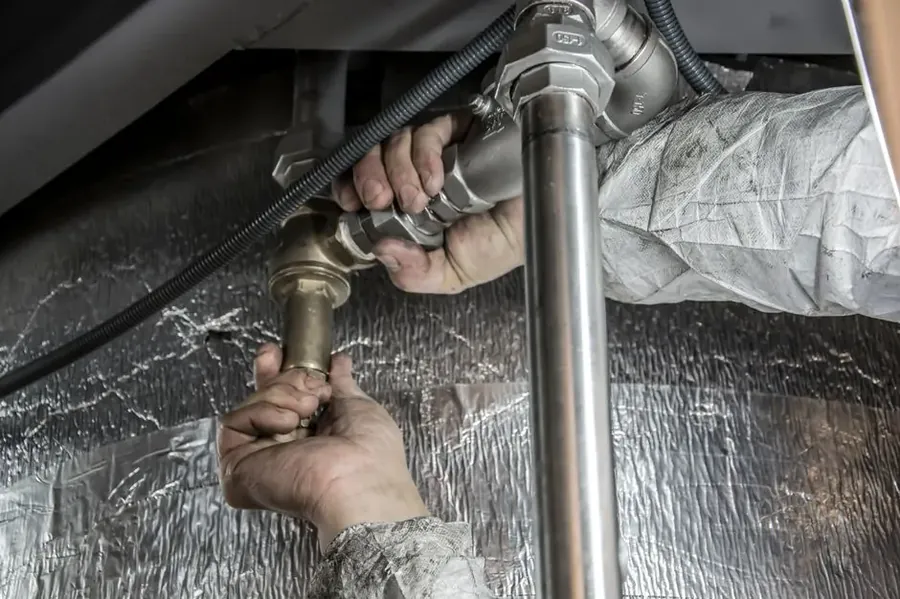
A drain cable makes an opening through a blockage — enough to get water moving again. Jetting removes the material that was narrowing the pipe in the first place, scouring the full internal diameter rather than punching through the middle of it.
That distinction matters most for grease, scale and recurring buildup. For a one-off hair clog it barely matters. For a kitchen line with years of grease on the wall, it's the difference between a lasting fix and a postponement — the same line cabled every few months instead of properly cleaned once.
Hydro jetting cleans a drain or sewer line with a high-pressure stream of water. A hose with a specialised nozzle is fed into the line through a cleanout. Rear-facing jets pull it forward and scour the pipe wall, while a forward jet breaks up the blockage ahead. Residential jetting typically runs at around 3,000 to 4,000 PSI. Grease, scale, sludge and fine root growth are cut away and flushed downstream.
The difference from a drain snake is coverage. A cable punches a hole through a clog. Jetting cleans the pipe back to close to its original diameter, which is why it lasts longer on lines that keep re-clogging.
Snaking (cabling) and hydro jetting aren't competing products. They're tools for different problems, and we often use both on the same line: a cable to cut roots, then a jetter to clean up after it.
| Drain snaking (cabling) | Hydro jetting | |
|---|---|---|
| How it works | Rotating steel cable cuts or hooks the blockage | High-pressure water scours the whole pipe wall |
| Best for | Hair, wipes, a single solid clog, cutting roots | Grease, scale, sludge, sand, root regrowth |
| Pipe left | Open, but walls still coated | Cleaned close to full diameter |
| How long it lasts | Until the coating catches the next clog | Significantly longer on grease and scale lines |
| Safe on fragile pipe? | Generally yes | Only after a camera confirms the pipe is sound |
| Typical La Jolla price | $180 – $450 | $450 – $850 (residential main) |
Our guide What Is Hydro Jetting and When Do You Actually Need It goes through the decision in more detail.
Jetting a sewer line is the most effective cleaning there is, and on the wrong pipe the most damaging. Cracked clay, thin cast iron and Orangeburg can be made worse by high-pressure water. That's why every main line we jet in La Jolla is filmed first. If the camera shows the pipe can't take it, we tell you and recommend cabling or repair instead.
After jetting, the line is filmed again so you can see the result: bare pipe wall where there was grease, open joints where there were roots. The footage is yours to keep. For restaurants and multi-unit buildings, we set a jetting interval based on how fast the line actually loads up, not a sales calendar.
This is the question worth asking before anyone jets an older line.
Cast iron, clay, ABS and PVC in good condition all handle jetting at an appropriate pressure without issue.
Confirms the pipe can actually take the pressure before the jetter goes in — not optional on an older La Jolla lateral.
Cracked, badly corroded or holding an offset joint — jetting an already-failing pipe risks making the damage worse, not clearing it.
Nozzle and pressure are chosen for the specific material and condition found in the inspection, not a single default setting.
A camera run on any pipe that's old, unknown or has a history — confirming it can take the pressure before we commit to jetting it.
The hose goes in at the proper access point, keeping the work outside the living space and any splashing contained there.
Different nozzles for grease versus roots versus general cleaning; pressure set for the specific pipe, not turned to maximum.
Rearward-angled jets pull the hose forward while scouring the wall in every direction, flushing the buildup downstream as it goes.
Confirms the wall is actually clean, not just that water is flowing — and gives you before-and-after footage of the result.
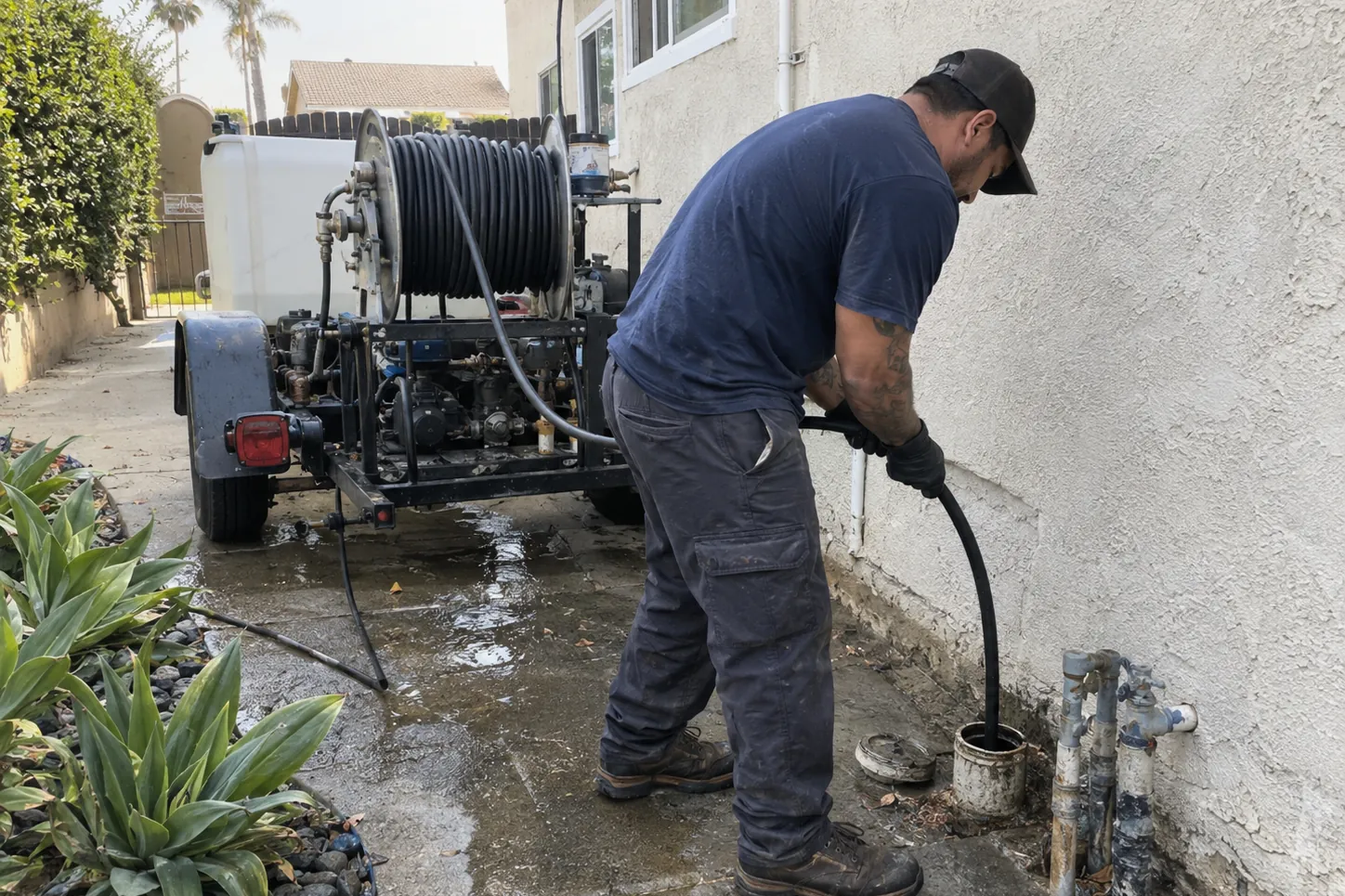
A camera run on any pipe that's old, unknown or has a history — confirming it can take the pressure before we commit to jetting it.
High-pressure water and a nozzle chosen for the specific buildup — grease, scale or root debris — found during inspection.
Used before jetting to confirm the pipe's condition, and after to verify the result.
Used first if there's an established root mass — jetting alone doesn't cut roots, it flushes out what cutting leaves behind.
A commercial kitchen drain slowing every few weeks despite repeated cabling — cabling was punching a channel through the grease, not removing it.
After: Jetted at working pressure with a rotating nozzle; camera confirmed the pipe wall back to its original diameter.
Book this service →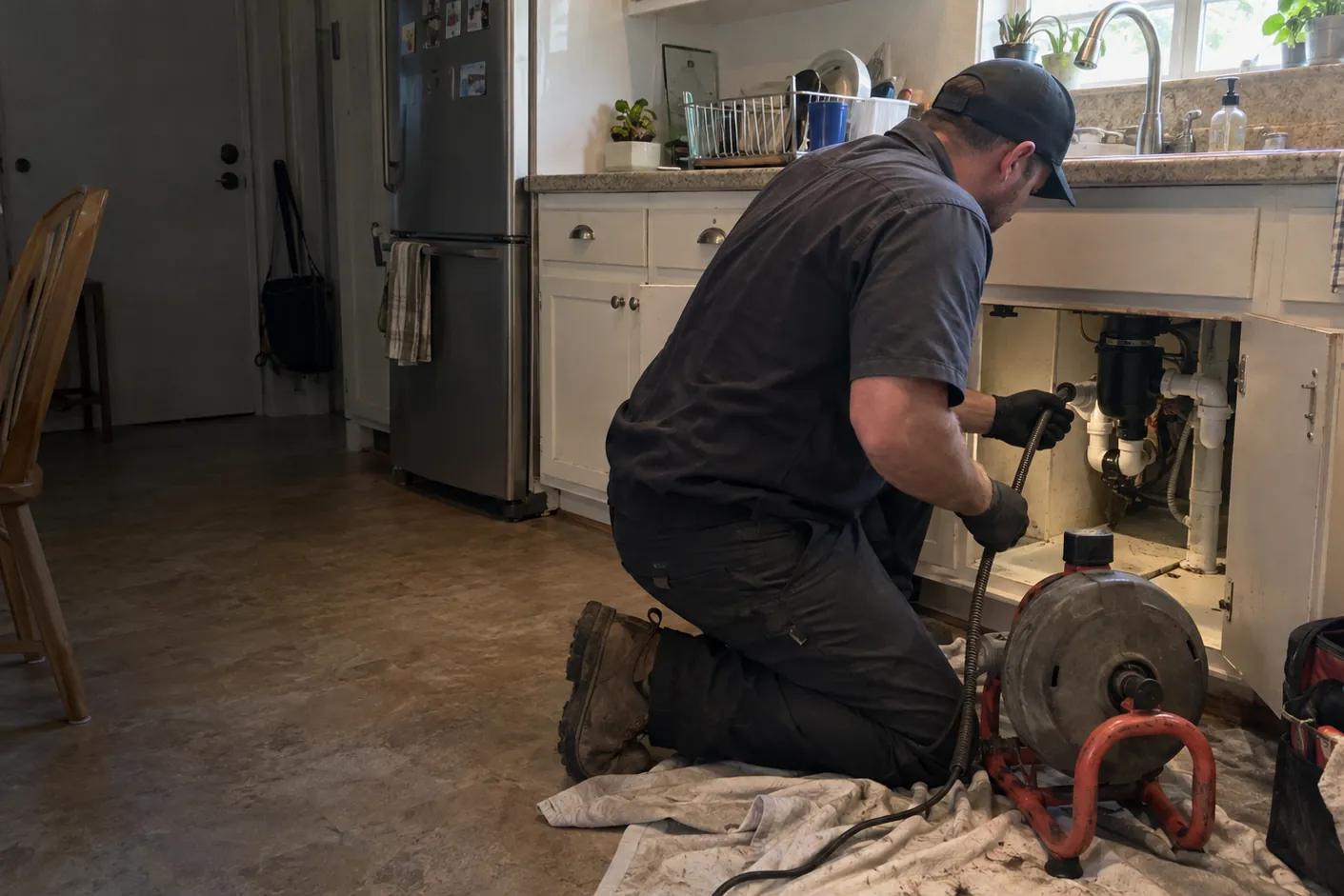
Homeowners faced frequent sewer backups, leading to unsanitary conditions and costly repairs.
After: Post-hydro jetting, the sewer line operates smoothly, eliminating backups and restoring peace of mind.
Book this service →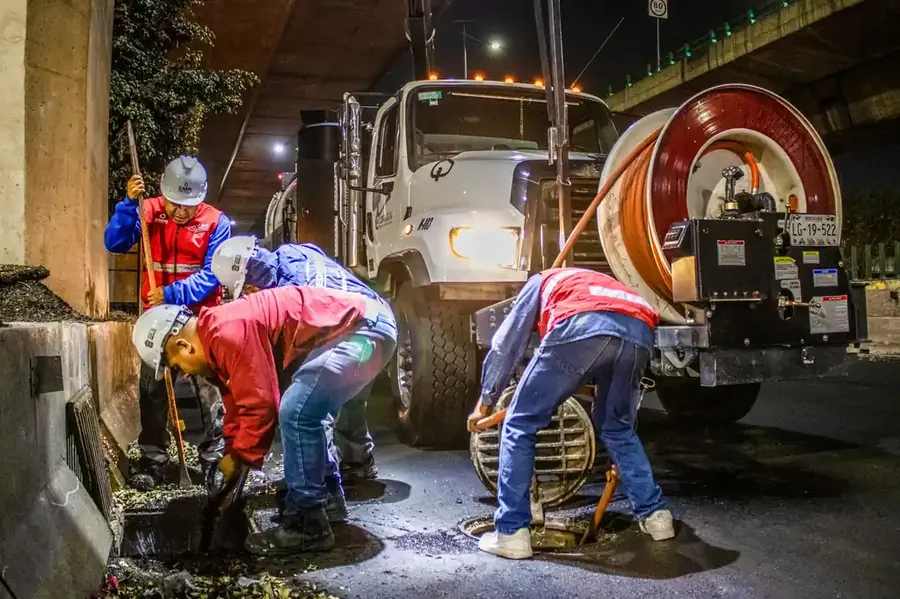
Roots had just been cut from a main line, but cut material was still sitting in the pipe.
After: Jetted immediately after cutting to flush the debris out before it could form the next blockage.
Book this service →The specific cases where jetting is the right call rather than an upsell.
Ask a proUsually means grease or scale is coating the wall — cabling keeps punching the same temporary channel through it.
Scheduled jetting on a planned interval, rather than a reactive emergency call every time it closes.
The cut debris was left in the pipe — jetting flushes it out rather than leaving it to become the next blockage.
Hydro jetting costs more than cabling because it cleans the full pipe wall rather than opening a path through the clog. These are our 2026 prices. On older cast iron and clay, the pre-jetting camera inspection isn't optional.
| Service | What's included | Price |
|---|---|---|
| Residential main line jetting | Full-bore jetting from the cleanout, camera check after | $450 – $850 |
| Root cutting + jetting | Roots cut mechanically first, then the line jetted clean | $450 – $850 |
| Commercial kitchen line jetting | Grease line from the kitchen to the interceptor or main | $550 – $950 |
| Pre-jetting camera inspection | Required on older cast iron and clay before we jet | $150 – $225 |
| Scheduled maintenance jetting | Restaurants and multi-tenant buildings on a set interval | Quoted per schedule |
$49 off when you book online. Every visit is covered by our 90-Day Clog-Free Guarantee. You approve a written price before any work starts.
Hydro jetting is the right answer for a lot of recurring clogs, but not all of them. Here's when we won't jet.
“I had a severe clog in my kitchen sink, and Drain Cleaning La Jolla's Hydro Jetting service worked wonders. They cleared it quickly, and my drains have been running smoothly ever since!”
Sarah T.Homeowner, Pacific Beach
✓ Verified“As a property manager, I rely on Drain Cleaning La Jolla for fast and effective Hydro Jetting. Their expertise has saved me time and money on multiple occasions.”
Mike R.Property Manager, University City
✓ Verified“I was impressed with the professionalism of the team. They explained the Hydro Jetting process and delivered exceptional results. Highly recommend their services!”
Linda S.Homeowner, Torrey Pines
✓ VerifiedIt depends on the pipe's actual condition, which is why a camera inspection comes first on any older or unknown line. Sound cast iron, clay, ABS and PVC all handle jetting at an appropriate pressure. Pipe that's already cracked, badly corroded or holding an offset joint may not.
Both. Before, to confirm the pipe can take the pressure and to choose the right nozzle. After, to verify the wall is actually clean and to give you before-and-after footage of the result.
When an inspection shows the pipe is already compromised — cracked, badly corroded, or holding a joint that's already offset. Jetting a pipe in that condition risks making existing damage worse rather than clearing it.
A cable bores a path through a blockage. Jetting scours the entire pipe wall clean. For grease and scale specifically, only jetting actually removes the material — cabling just reopens the same channel through it.
A method of cleaning drain and sewer lines with high-pressure water, typically around 3,000 to 4,000 PSI for residential lines. A nozzle scours the full pipe wall, removing grease, scale and roots rather than just punching a hole through a clog.
Residential main line jetting runs $450 to $850, including root cutting where needed. Commercial kitchen lines run $550 to $950. The pre-jetting camera inspection is $150 to $225 when it's needed. Booking online takes $49 off.
It removes fine root growth and cleans up after root cutting very effectively. Thick, established roots are cut mechanically first, then the line is jetted to remove what's left and slow regrowth.
For a line that keeps clogging with grease, scale or sand, yes, because it cleans the pipe rather than opening a path through the clog. For a single one-off clog, snaking is the better value.
Most La Jolla restaurant kitchens need jetting every three to six months, depending on menu, volume and how well the grease interceptor is maintained. We set the interval from what the camera shows, not a fixed schedule.
Hydro Jetting is available across La Jolla, with a 45-minute average arrival in 92037. Each neighbourhood page covers the drain problems we see most there.
Describe what the line's been doing and how often it's been cleared. If cabling is actually the better answer, that's what you'll be told.
Call NowFor prompt service and expert advice on drain cleaning, reach out to us. We're available 24/7 to assist you with your plumbing needs.